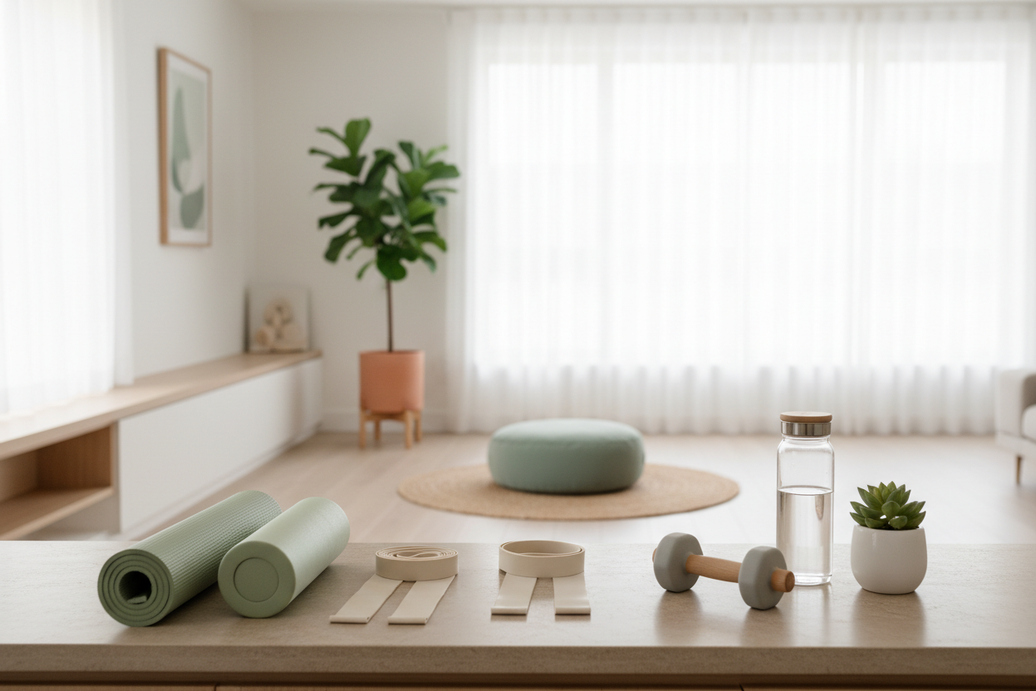
Fitness and training don’t have to be overwhelming. Many people avoid starting because they believe they need advanced routines, expensive equipment, or hours at the gym. The truth is, effective training is built on simple principles: consistency, proper movement, recovery, and gradual progress.
This guide breaks down fitness and training into practical steps that help you build strength, improve endurance, and stay consistent—whether you train at home or in the gym.
Understanding Fitness Beyond Intensity
Fitness is not about pushing your body to exhaustion every day. It’s about improving how your body moves, performs, and recovers over time. Training smarter—not harder—helps reduce injury risk and improves long-term results.
A balanced fitness routine includes:
-
Strength training
-
Mobility and flexibility
-
Cardiovascular movement
-
Proper recovery
When these elements work together, progress becomes sustainable.
1. Building a Strong Foundation With Strength Training
Strength training helps develop muscle, support joints, and improve everyday movement. You don’t need heavy weights to begin—bodyweight exercises and light resistance are enough for most beginners.
Benefits of Strength Training
-
Improves muscle tone and endurance
-
Supports joint stability
-
Enhances posture and balance
-
Increases functional strength for daily tasks
Beginner-Friendly Strength Movements
-
Squats and lunges
-
Push-ups (or modified versions)
-
Dumbbell rows
-
Overhead presses
-
Core exercises like planks
Focus on controlled movement and proper form rather than speed or heavy loads.
2. Training Consistency Matters More Than Perfection
One of the most common mistakes in fitness is trying to do too much too soon. Consistency beats intensity every time.
How to Stay Consistent
-
Train 3–5 times per week
-
Keep workouts under 45 minutes
-
Follow a simple routine you enjoy
-
Track progress, not perfection
Short, regular workouts are far more effective than occasional intense sessions.
3. Home Training vs Gym Training
Both home workouts and gym workouts can deliver excellent results. The best option is the one you can stick with long-term.
Home Training Benefits
-
Convenience and flexibility
-
Minimal equipment required
-
Comfortable environment
-
Easy to stay consistent
Gym Training Benefits
-
Access to more equipment
-
Structured environment
-
Increased motivation for some people
Fitness tools like adjustable dumbbells, resistance bands, kettlebells, and bodyweight accessories make home training highly effective.
4. Mobility and Flexibility: The Missing Piece
Mobility training improves how your joints move through their full range of motion. This is essential for preventing stiffness and improving exercise performance.
Why Mobility Matters
-
Reduces injury risk
-
Improves movement quality
-
Enhances strength exercises
-
Supports recovery
Simple stretching and mobility routines before or after workouts help keep the body balanced and comfortable.
5. Cardiovascular Training for Endurance
Cardio doesn’t have to mean long runs or intense sessions. Any activity that raises your heart rate contributes to cardiovascular fitness.
Simple Cardio Options
-
Brisk walking
-
Cycling
-
Jump rope
-
Bodyweight circuits
Combining light cardio with strength training improves endurance and overall fitness.
6. Recovery: Where Progress Happens
Training breaks muscle tissue down—recovery rebuilds it stronger. Ignoring recovery can slow progress and increase discomfort.
Smart Recovery Habits
-
Stretching after workouts
-
Using foam rollers or massage tools
-
Getting adequate rest
-
Staying hydrated
Listening to your body is essential for sustainable training.
7. Creating a Fitness Routine That Fits Your Life
The best fitness plan is one that fits your schedule, energy levels, and goals.
Tips for Long-Term Success
-
Set realistic goals
-
Start small and progress gradually
-
Mix strength, mobility, and cardio
-
Adjust routines as needed
Fitness should support your lifestyle, not compete with it.
Final Thoughts: Fitness Is a Long-Term Investment
Fitness and training are not about quick results—they’re about building strength, confidence, and resilience over time. By focusing on consistent movement, proper training, and recovery, you create a routine that supports your body for the long run.
Start where you are, stay consistent, and let progress happen naturally.