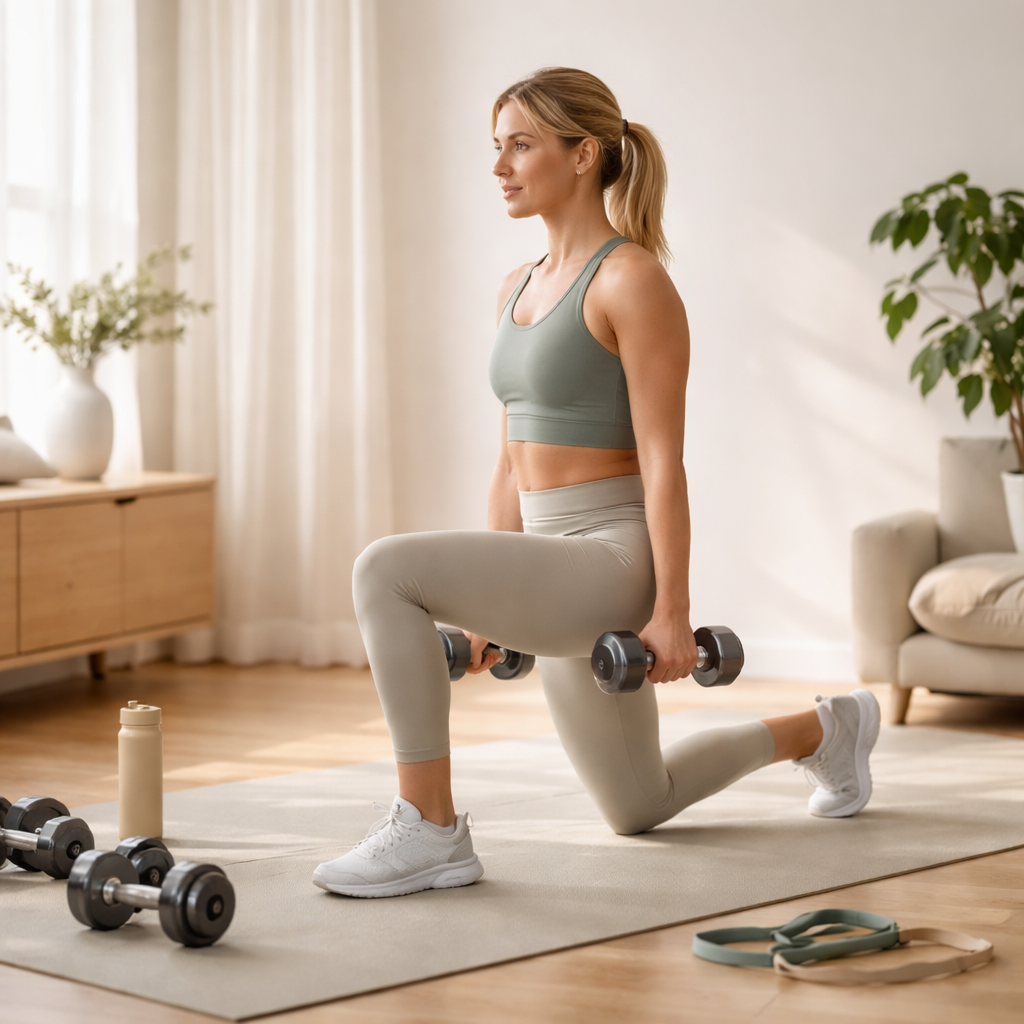
Living a healthy lifestyle is often misunderstood as something complicated or overwhelming. Many people believe wellness requires strict routines, expensive programs, or intense workouts. In reality, lasting health is built through small, consistent daily habits that support your body’s movement, recovery, and overall balance.
This guide explores practical daily habits that can improve your physical wellbeing, support recovery, and help you feel stronger, more comfortable, and more energized over time—without unrealistic expectations.
Understanding the Foundation of Health and Wellness
Health and wellness go beyond exercise and diet. True wellness is a balance between physical activity, recovery, posture, hydration, and lifestyle choices. When these elements work together, the body functions more efficiently and recovers better from daily stress.
Instead of focusing on quick fixes, building sustainable habits allows your body to adapt naturally. Over time, this approach supports long-term mobility, strength, and comfort.
1. Daily Movement: The Cornerstone of Physical Health
Movement is essential for maintaining muscle strength, joint flexibility, and circulation. However, movement doesn’t have to mean intense gym sessions every day.
Why Daily Movement Matters
-
Improves blood flow and oxygen delivery
-
Supports joint health and mobility
-
Reduces stiffness caused by sitting
-
Enhances mood and energy levels
Simple Ways to Move Daily
-
Walking for 20–30 minutes
-
Light resistance training at home
-
Stretching routines in the morning or evening
-
Bodyweight exercises such as squats or lunges
Consistency is more important than intensity. Even short sessions of movement performed daily can lead to noticeable improvements over time.
2. Recovery and Muscle Care: Often Overlooked, Always Essential
Recovery is a critical part of wellness that many people neglect. Without proper recovery, muscles remain tight, mobility decreases, and discomfort can develop.
The Role of Recovery
-
Helps muscles relax and repair
-
Reduces post-workout soreness
-
Improves flexibility and range of motion
-
Supports long-term physical comfort
Easy Recovery Habits to Adopt
-
Stretching after workouts or long workdays
-
Using foam rollers or massage tools
-
Gentle mobility exercises before bed
-
Allowing rest days when needed
Recovery doesn’t mean inactivity—it means intentional care for your body.
3. Posture Awareness: Supporting Your Spine Every Day
Posture plays a major role in overall wellness. Poor posture can contribute to neck, shoulder, and lower back discomfort, especially for those who sit or stand for extended periods.
How Posture Affects Wellness
-
Supports proper spine alignment
-
Reduces muscle strain
-
Improves breathing and balance
-
Enhances movement efficiency
Simple Posture Improvements
-
Adjust your sitting position at work
-
Take posture breaks throughout the day
-
Strengthen core and back muscles
-
Use supportive wellness tools when needed
Becoming aware of posture during daily activities can make a significant difference in comfort and mobility.
4. Stretching: A Daily Habit With Long-Term Benefits
Stretching helps maintain muscle elasticity and joint flexibility. It’s especially important for people with active lifestyles or sedentary routines.
Benefits of Regular Stretching
-
Improves flexibility
-
Reduces muscle tightness
-
Enhances circulation
-
Supports injury prevention
When to Stretch
-
Morning: To wake up the body
-
After workouts: To relax muscles
-
Evening: To relieve daily tension
Stretching doesn’t need to be complicated—simple routines performed consistently are highly effective.
5. Hydration and Nutrition: Fueling Your Body Properly
Hydration supports nearly every function in the body, including muscle performance, joint lubrication, and energy levels.
Why Hydration Matters
-
Supports muscle recovery
-
Helps regulate body temperature
-
Improves focus and endurance
Pair hydration with balanced nutrition to maintain steady energy throughout the day. Small adjustments, such as drinking water regularly and choosing nourishing foods, can significantly impact overall wellbeing.
6. Building a Wellness Routine That Fits Your Lifestyle
Wellness routines should be realistic and adaptable. A routine that’s too rigid often leads to burnout or inconsistency.
Tips for Sustainable Wellness
-
Start with small, achievable habits
-
Focus on consistency, not perfection
-
Adjust routines as your lifestyle changes
-
Choose tools and products that support your needs
A sustainable routine is one that enhances your life, not one that feels restrictive.
7. Mental Wellness and Physical Balance
Physical wellness and mental wellbeing are closely connected. Movement, stretching, and recovery practices can help reduce stress and improve mental clarity.
Simple Mental Wellness Practices
-
Mindful breathing
-
Light movement during breaks
-
Creating a calm evening routine
Supporting your mental health helps reinforce physical wellness habits.
Final Thoughts: Wellness Is a Journey, Not a Destination
Health and wellness are built gradually through daily choices. By focusing on movement, recovery, posture, stretching, hydration, and balance, you create a strong foundation for long-term wellbeing.
You don’t need to do everything at once. Start with one habit, stay consistent, and allow your routine to evolve naturally. Over time, these small steps lead to meaningful improvements in how you feel and move every day.